
Gluteus Medius Tendinopathy
Understanding Gluteus Medius Tendinopathy
Causes
- Repetitive running, stair climbing, or walking on uneven terrain
- Sudden increase in activity level
- Weak or poorly conditioned gluteal muscles
- Weight gain or prolonged inactivity
- Altered hip biomechanics from knee or back injury
Symptoms
- Pain along the outer hip, worse with weight-bearing
- Pain climbing stairs, walking on slopes, or lying on the affected side
- Tenderness directly over the greater trochanter
- Radiating discomfort down the outer thigh
Diagnosis
Treatment
- Progressive gluteal and hip strengthening
- Manual therapy and soft tissue treatment
- Load management and activity modification
- Taping or bracing for temporary symptom relief
- Education on aggravating postures (e.g., crossing legs, prolonged sitting on hard surfaces)
Rehabilitation & Exercise
Caution: Perform all exercises only as directed by your Healthweave clinician. Stop any exercise that increases your pain and inform your practitioner. Exercise programs are tailored to individual needs and must not be self-prescribed.
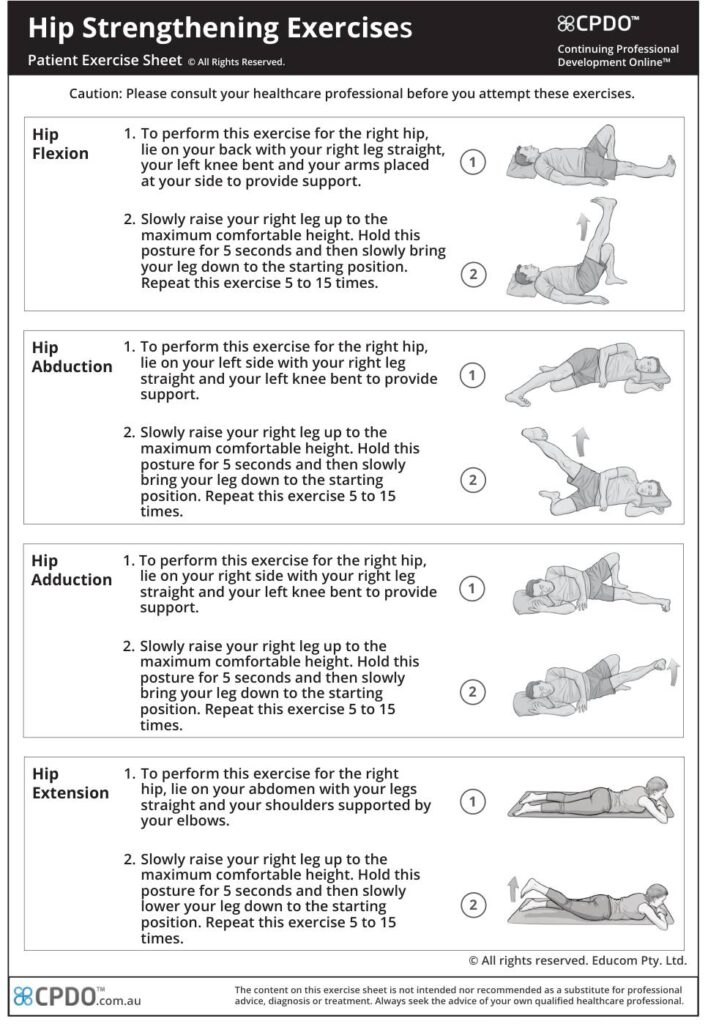
- Hip abductor and gluteal strengthening — initially with low-load, non-compressive positions
- Side-lying hip abduction and hip extension exercises
- Progressive loading from bodyweight to resistance band and then weighted exercises
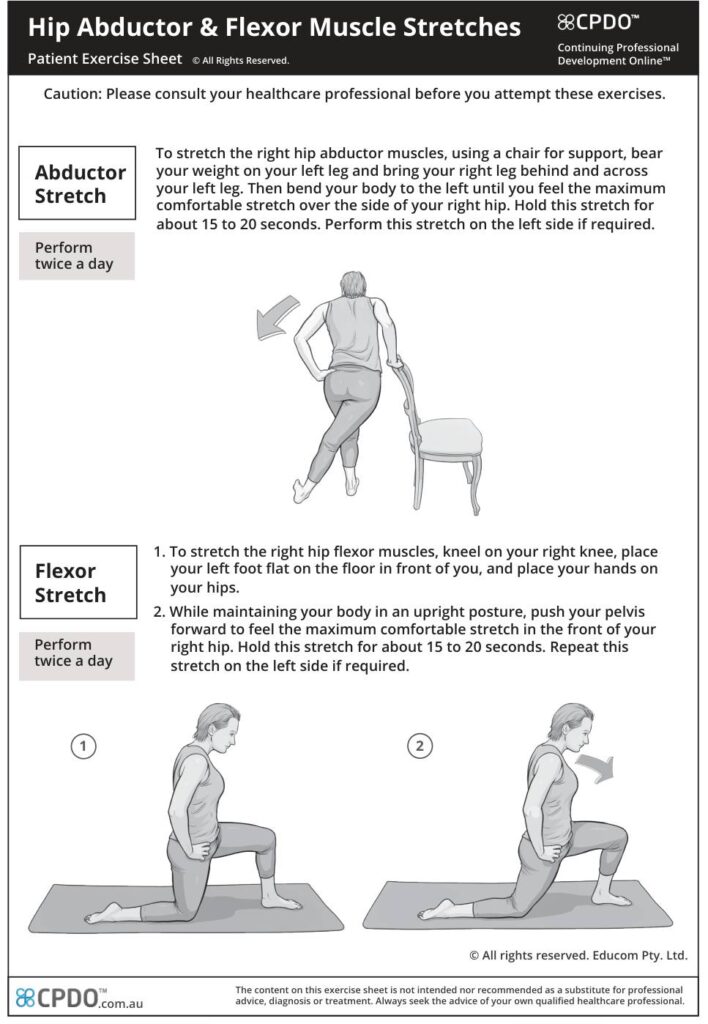
- Hip flexor and abductor stretching to restore mobility
- Walking and activity modification guidance
Specialist & Regenerative Medicine Options
- Platelet Rich Plasma (PRP) Therapy — Ultrasound-guided PRP injection into the tendon delivers growth factors to support collagen repair.
- Corticosteroid Injections — Used selectively to reduce acute pain and allow rehabilitation to progress.
- High-Volume Injection (HVI) — To address scar tissue and abnormal tissue changes around the tendon.
- Peptide Therapy — Where clinically appropriate, prescribed peptides may support tissue repair. A valid prescription following medical assessment is required.
- Stem Cell Therapy — For significant tendon degeneration, considered within TGA guidelines.
Important: All specialist consultations, prescription treatments, and injectable procedures are subject to individual clinical assessment by a registered medical practitioner. Suitability, benefits, and risks will be discussed at your consultation. No outcomes are guaranteed. Prescription medicines are only available following appropriate medical review in accordance with TGA and AHPRA requirements. Exercise programs should be performed only as directed by your Healthweave clinician. Exercise images © CPDO / Educom Pty. Ltd. — used under licence.
Prevention Tips
- Maintain consistent gluteal and hip strengthening
- Avoid sudden increases in running or activity
- Maintain healthy body weight
- Sleep with a pillow between knees to avoid hip compression
- Seek early assessment for persistent lateral hip pain