
Rotator Cuff Tears
Understanding Rotator Cuff Tears
Causes
- Acute trauma – fall onto an outstretched arm or sudden heavy lifting.
- Degenerative wear – gradual fraying of the tendon, particularly after 40 years of age.
- Long-standing shoulder impingement progressing to tendon tearing.
- Repetitive overhead occupational or sporting demands.
- Poor blood supply to tendons with advancing age.
Symptoms
- Deep aching shoulder pain, often worse at night.
- Weakness when lifting the arm or rotating the shoulder.
- Difficulty reaching overhead or behind the back.
- In acute tears – sudden severe pain and immediate loss of strength.
Treatment
Many partial and some full-thickness tears can be successfully managed without surgery through physiotherapy. Surgery is considered for large acute tears, complete tears in active individuals, or cases failing comprehensive conservative care.
- Progressive rotator cuff and scapular strengthening.
- Manual therapy and joint mobilisation.
- Postural correction and movement retraining.
- Activity and load modification.
- Post-surgical rehabilitation following rotator cuff repair.
Rehabilitation & Exercise
Caution: Perform all exercises only as directed by your Healthweave clinician. Stop any exercise that increases your pain and inform your practitioner. Exercise programs are tailored to individual needs and must not be self-prescribed.
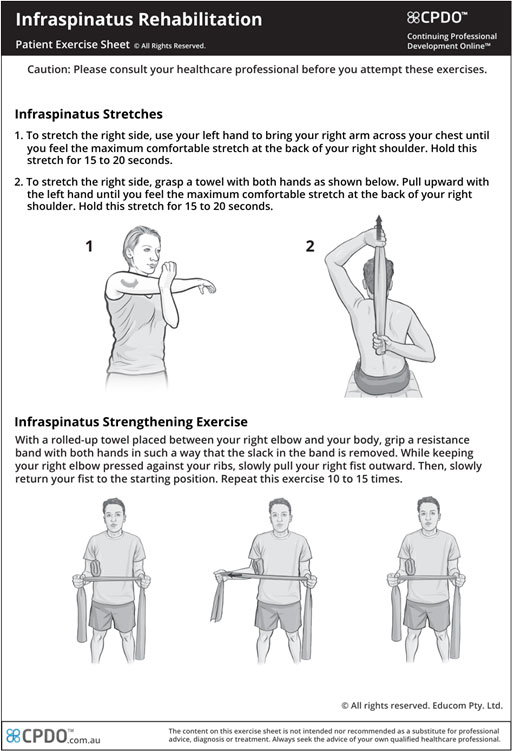
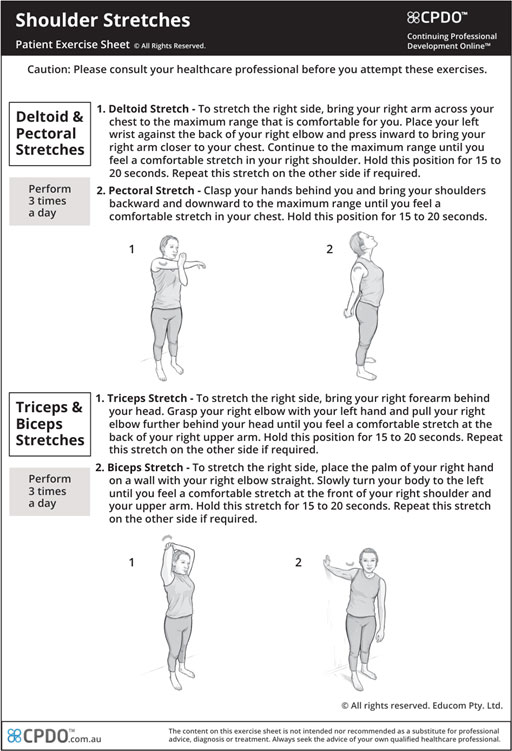
- Infraspinatus and rotator cuff stretching – to restore shoulder mobility.
- Infraspinatus external rotation strengthening – using a resistance band.
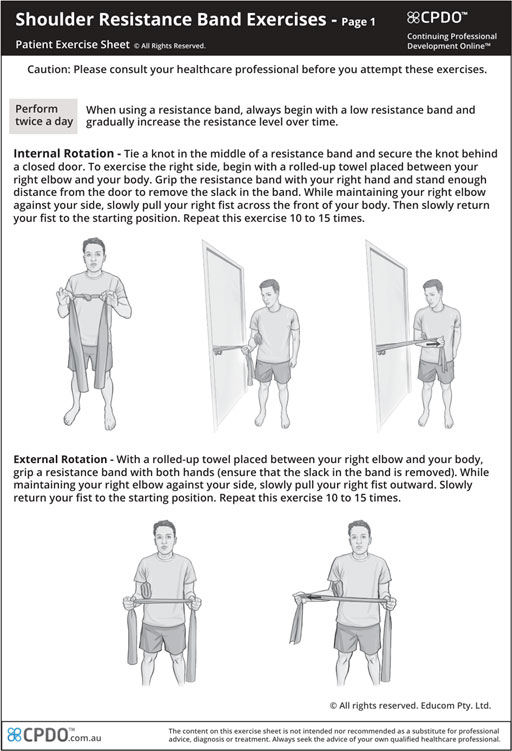
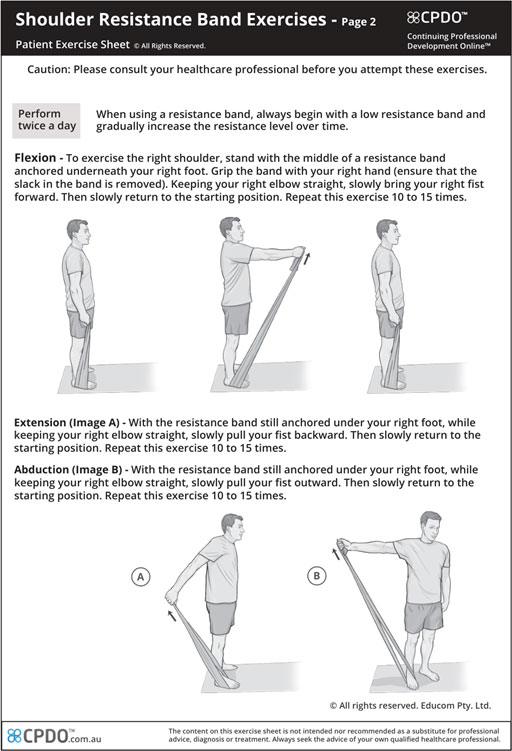
- Full shoulder resistance band program – including internal and external rotation, flexion, extension, and abduction.
- Scapular stabilisation exercises – to improve shoulder control and stability.
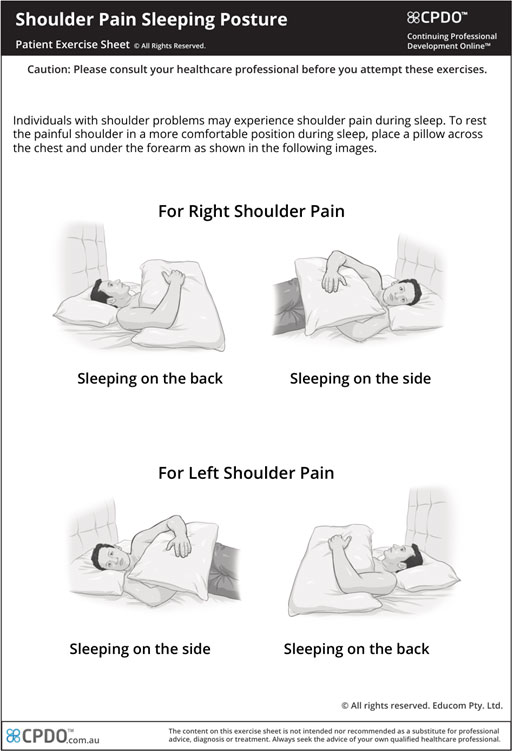
- Sleeping posture advice – to reduce night pain.
- Progressive functional strengthening – as healing progresses.
Specialist & Regenerative Medicine Options
For partial rotator cuff tears or degenerative full-thickness tears in patients wishing to avoid or delay surgery, our Prestidge sports physicians offer regenerative treatments that may support tendon healing.
- Platelet Rich Plasma (PRP) Therapy – image-guided PRP injection into the tear delivers growth factors to stimulate collagen synthesis and support healing.
- High-Volume Injection (HVI) – to address abnormal tissue changes within or around the tendon.
- Corticosteroid Injections – used selectively to manage acute pain and allow rehabilitation to progress.
- Stem Cell Therapy – for significant tendon degeneration within TGA guidelines.
- Peptide Therapy – where clinically appropriate following individual medical assessment. A valid prescription is required.
- Post-Surgical Regenerative Rehabilitation – PRP may be used as an adjunct following surgical repair.
Our sports and exercise physicians at Prestidge work alongside your treating clinician to determine the most appropriate option for your condition, goals, and stage of recovery. All injectable and prescription treatments are subject to individual clinical assessment. Visit healthweave.com.au or prestidge.com.au to learn more.
Important: All specialist consultations, prescription treatments, and injectable procedures are subject to individual clinical assessment by a registered medical practitioner. Suitability, benefits, and risks will be discussed at your consultation. No outcomes are guaranteed. Prescription medicines are only available following appropriate medical review in accordance with TGA and AHPRA requirements. Exercise programs should be performed only as directed by your Healthweave clinician. Exercise images © CPDO / Educom Pty. Ltd. — used under licence.