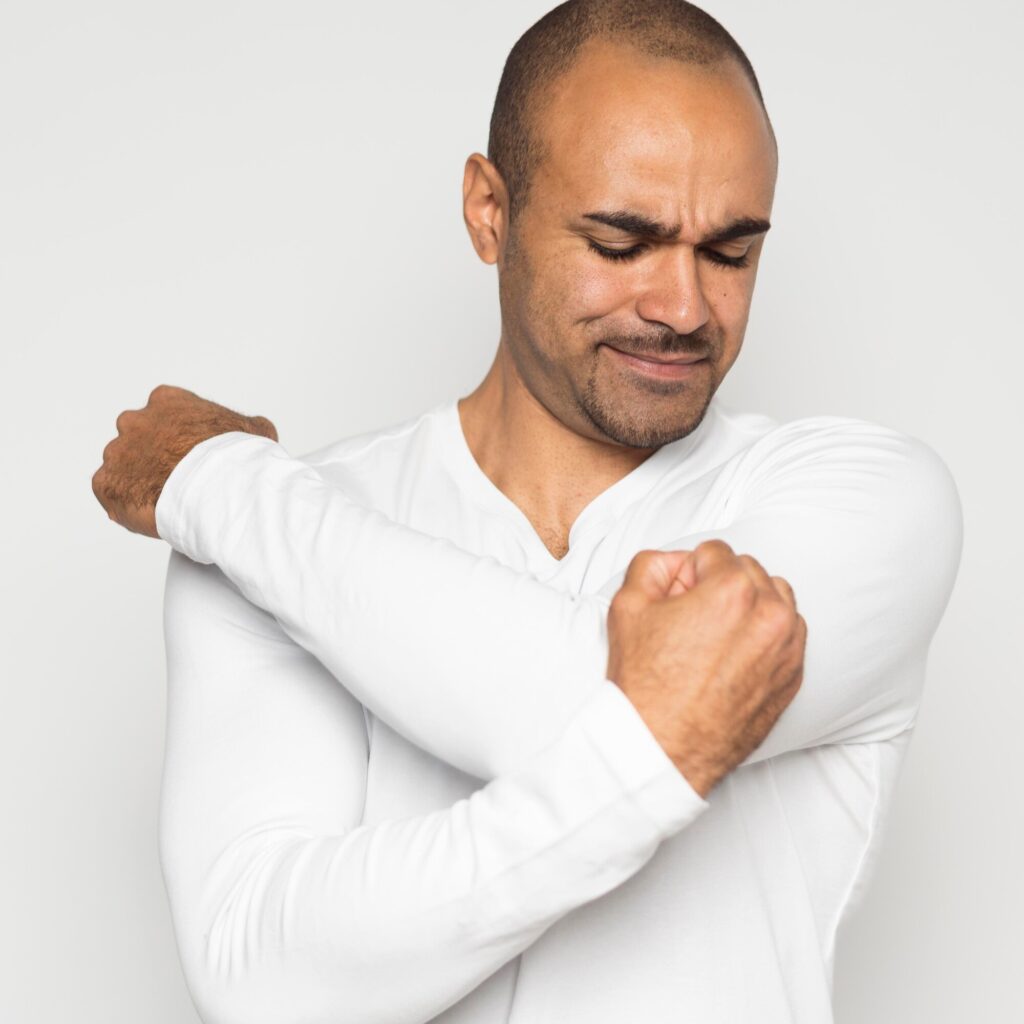
Shoulder Labral Tear (SLAP Lesion)
Restore shoulder stability and reduce pain with personalised, evidence-based treatment focused on improving joint control, strengthening key stabilisers, and supporting safe return to sport and daily activity.
Understanding Shoulder Labral Tears
The glenoid labrum is a ring of fibrocartilage that deepens the shoulder socket and stabilises the glenohumeral joint. A labral tear can occur from acute trauma or chronic repetitive stress. Superior Labrum Anterior to Posterior (SLAP) tears — occurring at the top of the labrum where the biceps tendon attaches — are common in overhead athletes and those who sustain sudden shoulder traction injuries.
Causes
- Falling on an outstretched arm or sudden shoulder dislocation.
- Repetitive overhead throwing or serving.
- Sudden forceful pulling or traction of the arm.
- Shoulder instability causing chronic labral stress.
- Age-related labral degeneration.
Symptoms
- Deep aching pain within the shoulder joint.
- Clicking, catching, or locking sensation with movement.
- Pain with overhead activities or behind-the-back reaching.
- Shoulder instability or giving-way sensation.
- Weakness with pushing, pulling, or throwing.
Treatment
- Rotator cuff and scapular stabiliser strengthening.
- Manual therapy and joint mobilisation.
- Neuromuscular retraining and proprioception exercises.
- Throwing and sport-specific rehabilitation.
- Surgery for complete tears with persistent instability.
Rehabilitation & Exercise
- Shoulder isometric exercises – internal and external rotation, flexion, and extension.
- Resistance band external and internal rotation – for rotator cuff activation.
- Scapular stabilisation and retraction exercises – to improve shoulder control and stability.
- Progressive functional strengthening – pushing, pulling, and overhead work.
- Sport-specific throwing or serving rehabilitation – under clinician guidance.
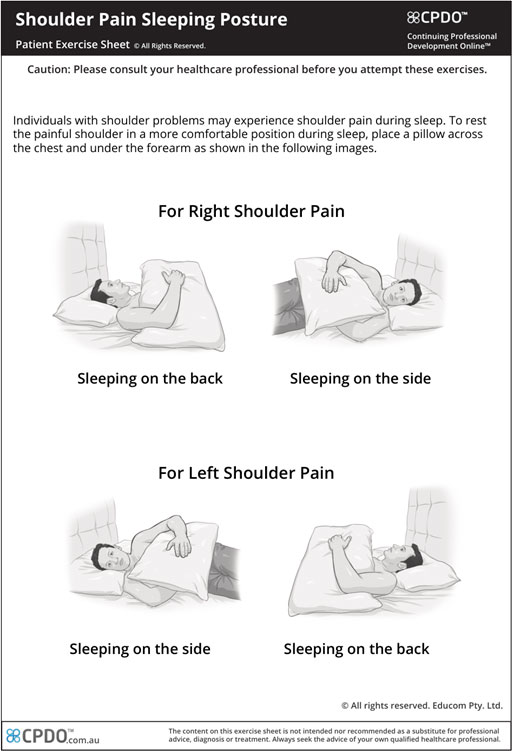
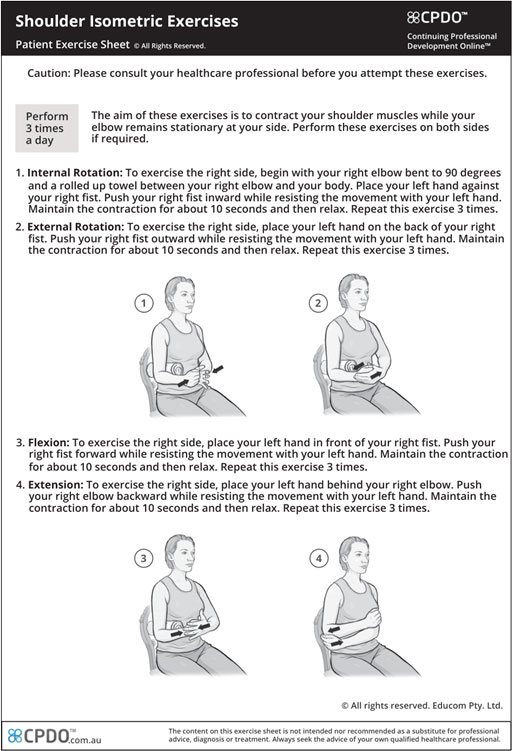
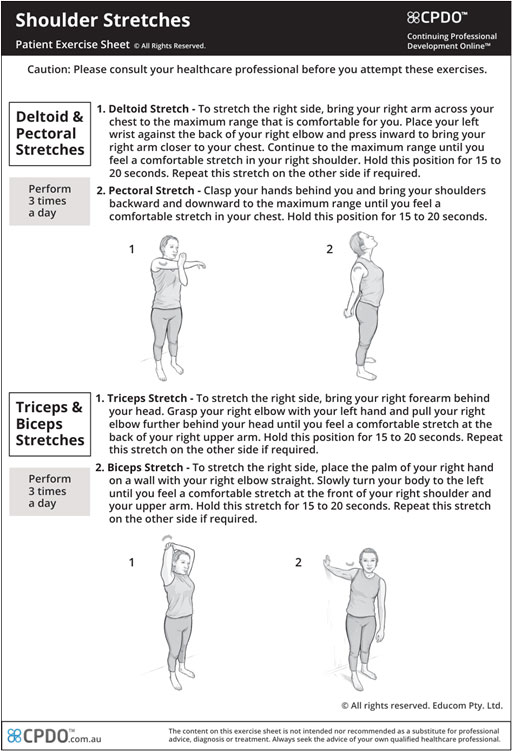
Specialist & Regenerative Medicine Options
- Platelet Rich Plasma (PRP) Therapy – image-guided PRP into the glenohumeral joint or labral injury site delivers growth factors to support tissue repair.
- Prolotherapy – injection into the shoulder capsule and ligamentous structures to improve joint stability.
- Corticosteroid Injections – for acute inflammation with significant synovitis.
- Stem Cell Therapy – for significant labral or capsular degeneration within TGA guidelines.
Our sports and exercise physicians at Prestidge work alongside your treating clinician to determine the most appropriate option for your condition, goals, and stage of recovery. All injectable and prescription treatments are subject to individual clinical assessment. Visit healthweave.com.au or prestidge.com.au to learn more.
Important: All specialist consultations, prescription treatments, and injectable procedures are subject to individual clinical assessment by a registered medical practitioner. Suitability, benefits, and risks will be discussed at your consultation. No outcomes are guaranteed. Prescription medicines are only available following appropriate medical review in accordance with TGA and AHPRA requirements. Exercise programs should be performed only as directed by your Healthweave clinician. Exercise images © CPDO / Educom Pty. Ltd. — used under licence.