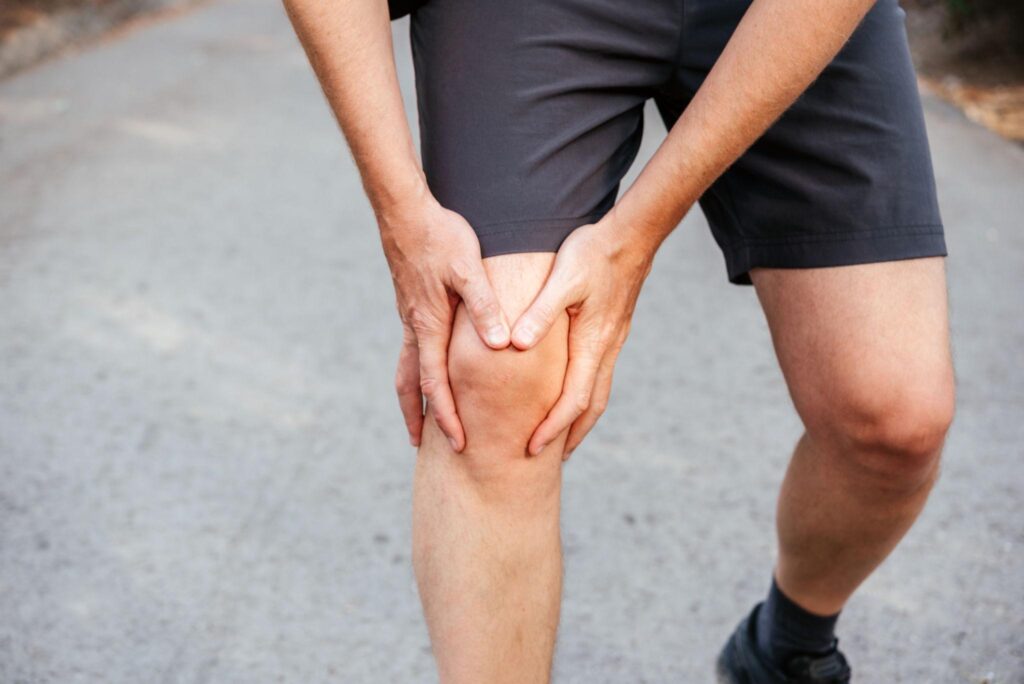
Knee Meniscus Tears
Understanding Meniscus Tears
Causes
- Sudden twisting or deep bending of the knee under load
- High-impact sports such as football, basketball, and skiing
- Gradual degenerative wear in middle-aged and older adults
- Combined injury, often occurring alongside ligament injuries
Symptoms
- A popping sound at the time of injury
- Swelling developing within 24–72 hours
- Knee stiffness and restricted bending
- A locking or catching sensation
- Instability or a giving-way sensation
Treatment
- Pain and swelling management in the acute phase
- Progressive knee strengthening targeting the quadriceps and hamstrings
- Hip and core strengthening to reduce meniscal load
- Flexibility and mobility restoration
- Return to activity planning with gradual load progression
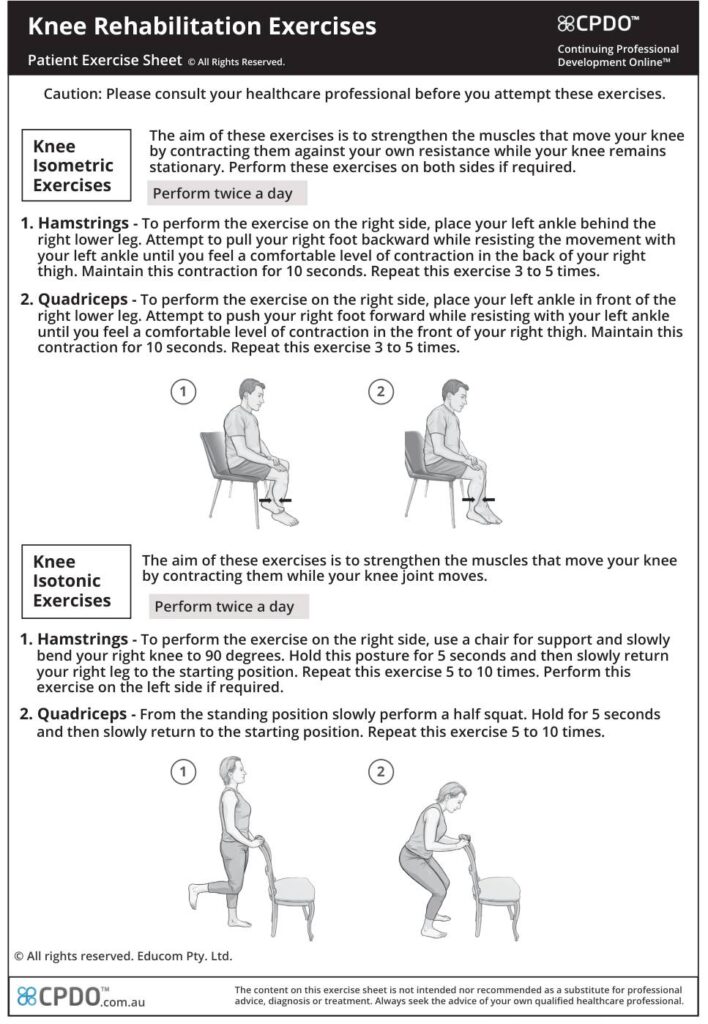
Rehabilitation & Exercise
- Isometric quadriceps activation and early strengthening
- Progressive knee strengthening, including leg press, step exercises, and half squats
- Hip and core strengthening to offload the meniscus
- Balance and proprioception retraining
- Gradual return to running, cutting, and jumping activities
Specialist & Regenerative Medicine Options
- Platelet Rich Plasma (PRP) Therapy — Image-guided PRP injection into the knee joint delivers growth factors that may support meniscal repair, particularly in vascular zone tears.
- Hyaluronic Acid — Restoring joint lubrication reduces mechanical stress on the torn meniscus.
- Corticosteroid Injections — Used for acute inflammatory flares that limit rehabilitation.
- Stem Cell Therapy — Considered for significant meniscal degeneration or avascular zone tears, within TGA guidelines.
- Post-Surgical Regenerative Rehabilitation — PRP may be used alongside physiotherapy following meniscectomy or meniscal repair.
Our sports and exercise physicians at Prestidge work alongside your treating clinician to determine the most appropriate option for your condition, goals, and stage of recovery. All injectable and prescription treatments are subject to individual clinical assessment. Visit healthweave.com.au or prestidge.com to learn more.
Important: All specialist consultations, prescription treatments, and injectable procedures are subject to individual clinical assessment by a registered medical practitioner. Suitability, benefits, and risks will be discussed at your consultation. No outcomes are guaranteed. Prescription medicines are only available following appropriate medical review in accordance with TGA and AHPRA requirements. Exercise programs should be performed only as directed by your Healthweave clinician. Exercise images © CPDO / Educom Pty. Ltd. — used under licence.