
Osteoarthritis — Hip and Knee
Hip impingement can cause pain, stiffness, and limited mobility. Our personalised treatment plans focus on relieving discomfort, improving hip function, and helping you return to an active, pain-free lifestyle.
Understanding Osteoarthritis
Causes
- Natural age-related cartilage wear
- Previous joint injury or surgery
- Obesity — substantially increases joint loading
- Genetic predisposition
- Prolonged occupational joint stress
- Muscle weakness leading to increased joint load
Symptoms
- Aching pain after activity or at day’s end
- Morning stiffness easing with movement
- A clicking, crunching, or grinding sensation
- Swelling and joint tenderness
- Reduced range of motion
- Muscle weakness around the joint
- Hip OA: pain in the groin, possibly radiating to the buttock or thigh
- Knee OA: pain, swelling, and stiffness around the knee; difficulty with stairs and prolonged walking
Diagnosis
Assessment includes clinical examination, X-ray to assess joint space and bony changes, and MRI where cartilage evaluation is required.
Treatment
- Joint mobilisation and manual therapy to reduce stiffness
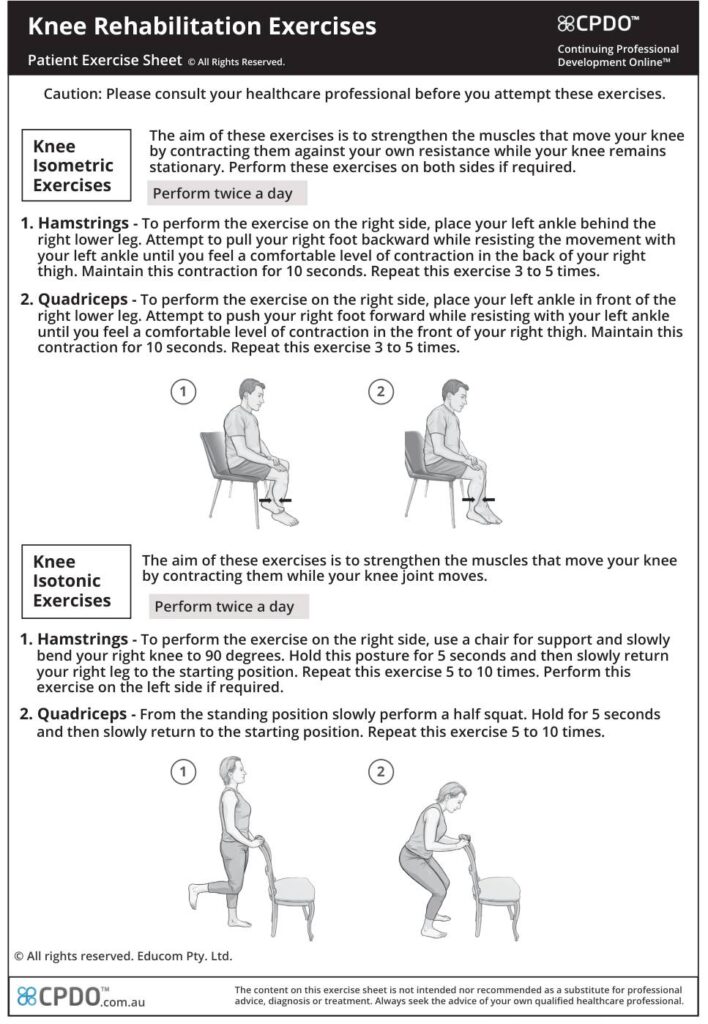
- Targeted muscle strengthening — particularly quadriceps, hamstrings, and gluteals
- Balance and gait retraining
- Weight management support and education
- Activity modification and pacing strategies
Rehabilitation & Exercise
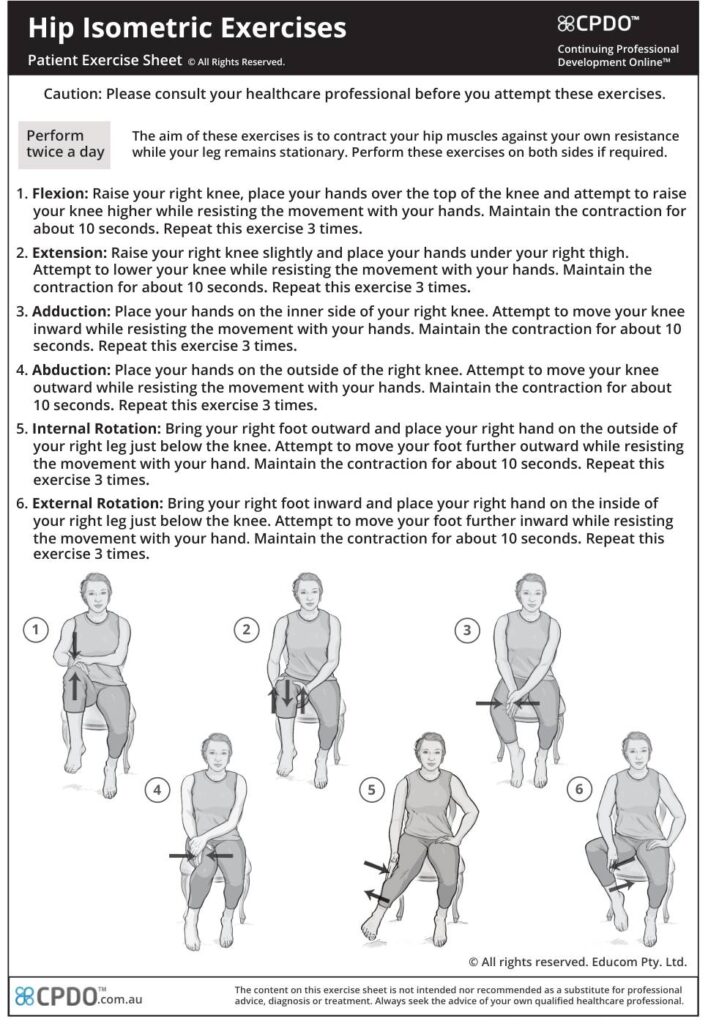
- Hip and knee isometric exercises for early-stage strengthening
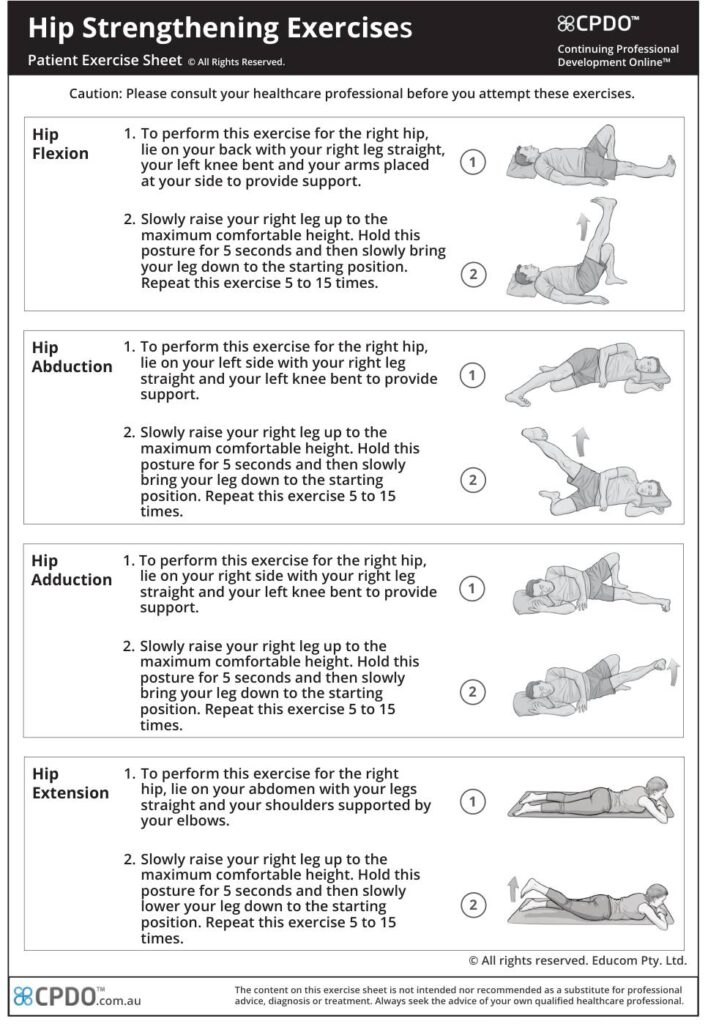
- Progressive hip and knee strengthening using bodyweight and resistance
- Low-impact cardiovascular conditioning — walking, cycling, hydrotherapy
- Balance and proprioception exercises to reduce fall risk
- Joint protection strategies and activity modification education
Specialist & Regenerative Medicine Options
Osteoarthritis is one of the most thoroughly researched indications for regenerative medicine. At Prestidge, our sports and exercise physicians offer evidence-informed treatments that may slow
joint degeneration, reduce pain, and improve function.
- Platelet Rich Plasma (PRP) Therapy — concentrated platelets injected into the affected joint deliver anti-inflammatory growth factors that may reduce pain and support cartilage health.
- Hyaluronic Acid (Viscosupplementation) — products such as Synvisc restore joint lubrication, reduce friction, and improve mobility in mild-to-moderate OA.
- Combination PRP + Hyaluronic Acid — where indicated, combining both approaches may provide superior outcomes.
- Stem Cell Therapy — autologous stem cell treatments considered within current TGA guidelines for significant joint degeneration.
- Intra-osseous Injections — for subchondral bone involvement contributing to joint pain.
- Corticosteroid Injections — used selectively for acute pain flares.
- Testosterone Replacement Therapy (TRT) — where clinically confirmed low testosterone is contributing to muscle weakness and poor recovery, suitability is assessed following comprehensive pathology review and individual medical assessment. A prescription is required.
- Peptide Therapy — where clinically appropriate and following individual medical assessment, certain prescribed peptides may support tissue repair. A valid prescription is required.
Our sports and exercise physicians at Prestidge work alongside your treating clinician to determine the most appropriate option for your condition, goals, and stage of recovery. All injectable and prescription treatments are subject to individual clinical assessment. Visit healthweave.com.au or prestidge.com.au to learn more.
Prevention Tips
- Maintain healthy body weight.
- Stay physically active — low-impact exercise is protective.
- Strengthen muscles supporting affected joints.
- Seek early assessment — intervention works best before advanced degeneration.