prestidge.com.au

Medial Tibial Stress Syndrome (Shin Splints)

Shin splints cause pain along the inner shin from repetitive stress on the tibia and surrounding muscles. Physiotherapy, strengthening, stretching, and gradual activity progression aid recovery.

Understanding Shin Splints

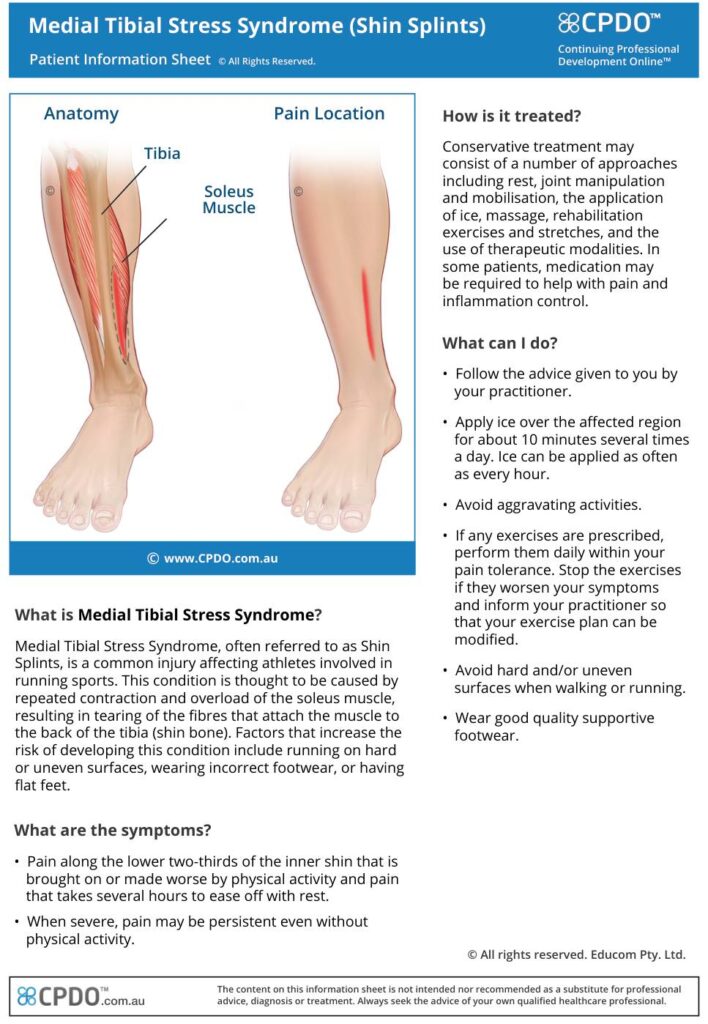
Medial Tibial Stress Syndrome (MTSS), commonly known as Shin Splints, is a common overuse injury in runners, military recruits, and anyone rapidly increasing their activity level. It is caused by repetitive loading of the soleus muscle and the tibial periosteum, leading to microdamage and inflammation along the inner shin bone.

Causes

  • Rapid increase in running volume or intensity
  • Running on hard or uneven surfaces
  • Incorrect or worn footwear
  • Flat feet or over-pronation
  • Weak calf muscles and poor running mechanics

Symptoms

  • Pain along the lower two-thirds of the inner shin, brought on or worsened by running
  • Pain that initially eases with warm-up but progressively worsens
  • When severe: pain with walking and persistent at rest
  • Tenderness along the inner edge of the shinbone

Treatment

Conservative management is highly effective. The key is appropriate load management — reducing aggravating activity while maintaining fitness through alternative conditioning.

  • Activity modification and load reduction
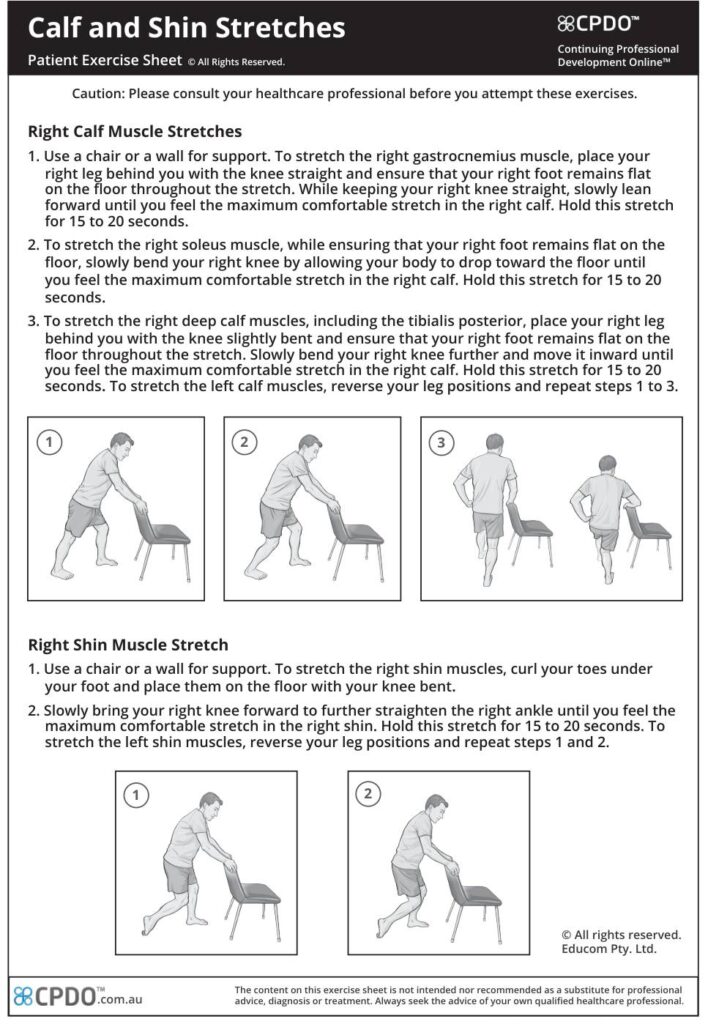
  • Calf and shin stretching
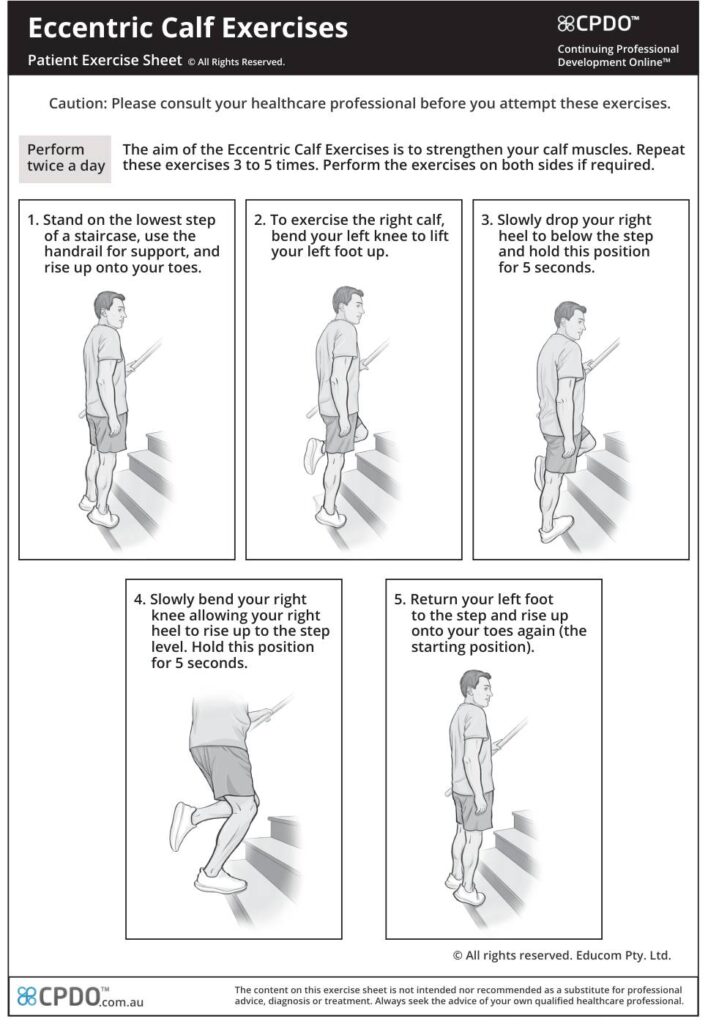
  • Eccentric calf strengthening to build tibial stress tolerance
  • Footwear assessment and orthotic support for flat feet
  • Progressive return to running using a structured graded program

Rehabilitation & Exercise

Caution: Perform all exercises only as directed by your Healthweave clinician. Stop any exercise that increases your pain and inform your practitioner. Exercise programs are tailored to individual needs and must not be self-prescribed.

Rehabilitation for shin splints focuses on correcting the underlying causes — weak calf muscles, poor running mechanics, and biomechanical factors — and progressively reloading the tibia. Do not return to full training until pain has resolved with normal walking.
  • Calf stretching – gastrocnemius and soleus
  • Eccentric calf strengthening on a step – reducing load on the tibia through improved muscle control
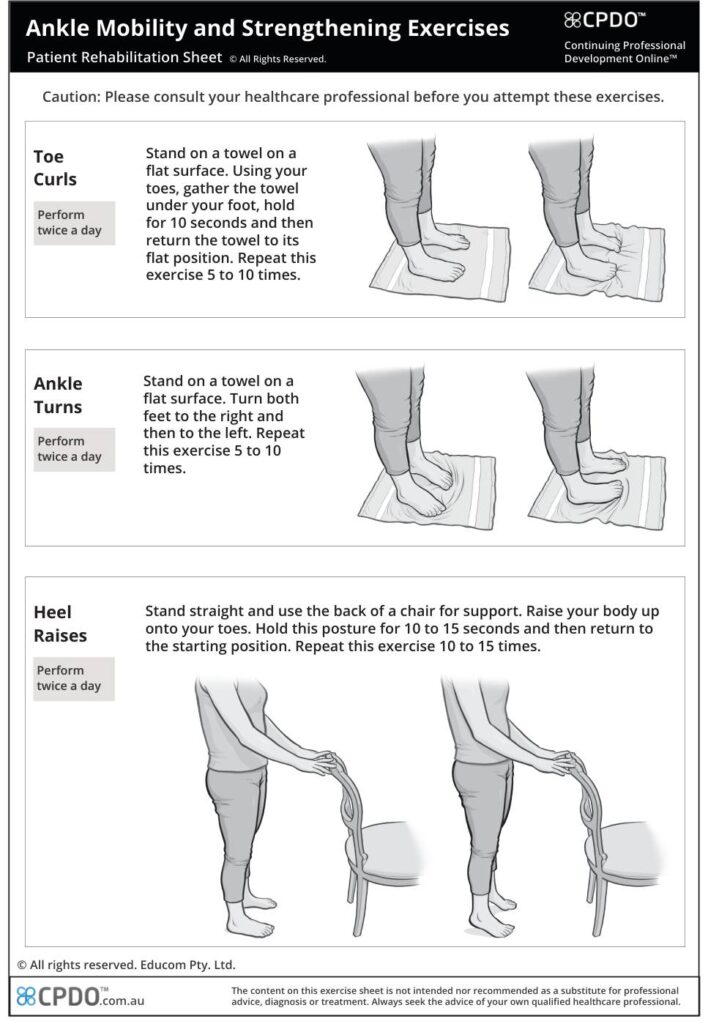
  • Ankle mobility and strengthening exercises
  • Footwear and running gait assessment
  • Graded return to running – progressive load increases over several weeks
Prevention Tips

  • Increase running volume by no more than 10% per week
  • Run on softer surfaces where possible
  • Replace footwear regularly
  • Maintain calf strength and flexibility