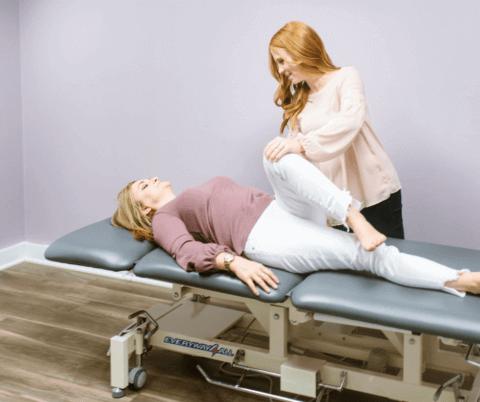
Hip Bursitis (Trochanteric Bursitis / ITB Friction Syndrome)
Understanding Hip Bursitis
Causes
- Tight hip flexor muscles
- Weak gluteal muscles
- Over-pronation or flat feet
- Other underlying medical or biomechanical issues
Symptoms
- Persistent pain or tenderness on the outer hip
- Pain when lying on the affected side
- Sleep disturbance due to hip pain
- Discomfort when climbing stairs, sitting to standing, or exiting vehicles
Treatment
Specialist & Regenerative Medicine Options
- Corticosteroid Injections — An ultrasound-guided injection of corticosteroid directly into the inflamed bursa provides fast and effective short-term relief, allowing rehabilitation to recommence.
- Platelet Rich Plasma (PRP) Therapy — PRP can be injected into or around the trochanteric bursa to reduce chronic inflammation and support healing of the surrounding soft tissues, with longer-lasting results than corticosteroid alone.
- Hyaluronic Acid Injections — In cases where the hip joint itself is also contributing to bursitis symptoms, viscosupplementation with hyaluronic acid can improve joint mechanics and reduce overall load on the bursa.
- Prolotherapy — Injection into the ITB and surrounding ligamentous structures helps restore stability and reduce the friction that drives bursal irritation.
- Dry Needling / Barbotage — In chronic bursitis with calcification, image-guided needling can break down calcium deposits and stimulate a fresh healing response.
Our sports and exercise physicians at Prestidge work alongside your treating clinician to determine which option best suits your condition, goals, and stage of injury. Image-guided procedures are performed with precision and care. Visit prestidge.com.au to learn more about our full range of specialist services.
Important: All specialist consultations, prescription treatments, and injectable procedures are subject to individual clinical assessment by a registered medical practitioner. Suitability, potential benefits, and risks will be discussed during your consultation. No treatment outcomes are guaranteed. Prescription medicines — including testosterone and peptide therapies — are only available following appropriate medical review and a valid prescription in accordance with TGA and AHPRA requirements.