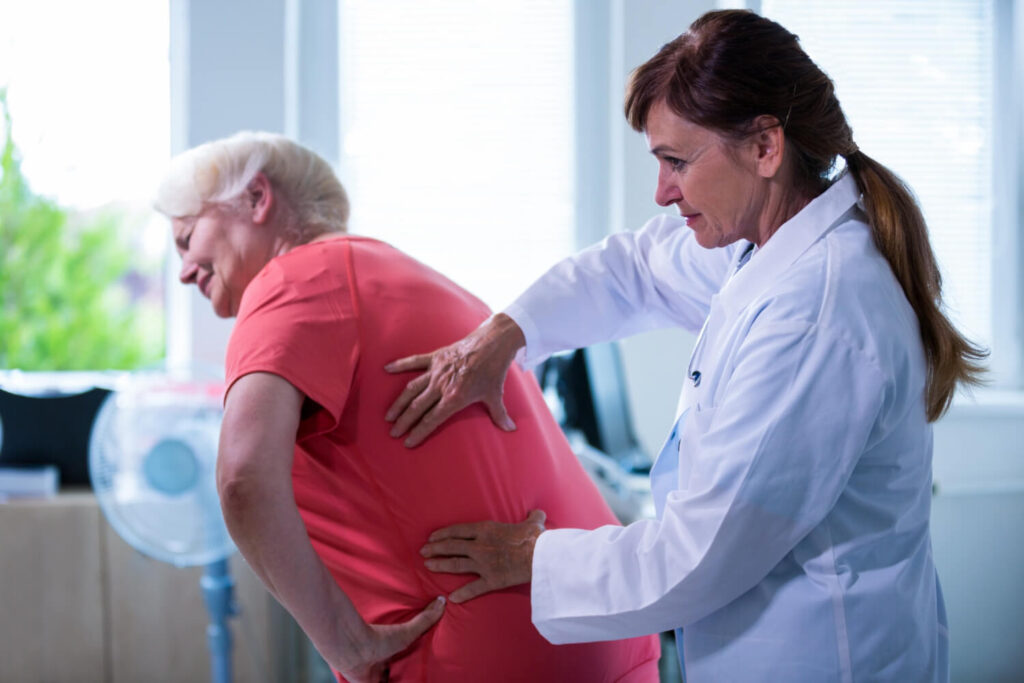
Hip Labral Tear
A hip labral tear is damage to the cartilage lining the hip socket, causing pain, stiffness, clicking, and instability. Physiotherapy, targeted rehabilitation, and regenerative treatments may help reduce pain, restore hip function, and support recovery while delaying or avoiding surgery.
Understanding Hip Labral Tears
The labrum is a ring of fibrocartilage that deepens the hip socket, stabilises the joint, and allows smooth movement. A labral tear occurs when this tissue is damaged — either from trauma, repetitive stress, or structural hip conditions such as FAI. Once torn, the labrum has limited capacity for self-repair, making early diagnosis and treatment important.
Causes
- Trauma — sports injuries, falls, motor vehicle accidents
- Femoroacetabular impingement (FAI) causing repetitive labral stress
- Structural hip abnormalities
- Repetitive twisting or pivoting motions
Symptoms
- Groin or deep hip pain
- Catching or locking sensation in the hip
- Pain when standing, walking, or rotating the leg
- Stiffness or restricted range of motion
- Sense of hip instability
Diagnosis
Clinical assessment includes specific hip provocation tests. MRI arthrography (with contrast) is the most sensitive imaging for confirming labral tears.
Treatment
Many labral tears — particularly partial or degenerative tears — respond well to physiotherapy
without surgery. Treatment focuses on hip stability, strength, and movement retraining. Surgery is considered only when conservative and regenerative approaches have failed.
Rehabilitation & Exercise
Caution: Perform all exercises only as directed by your Healthweave clinician. Stop any exercise
that increases your pain and inform your practitioner. Exercise programs are tailored to
individual needs and must not be self-prescribed.
Rehabilitation of a hip labral tear progresses from pain management and joint protection through
to full hip strengthening and return to activity. All exercises are progressed under clinician
supervision.
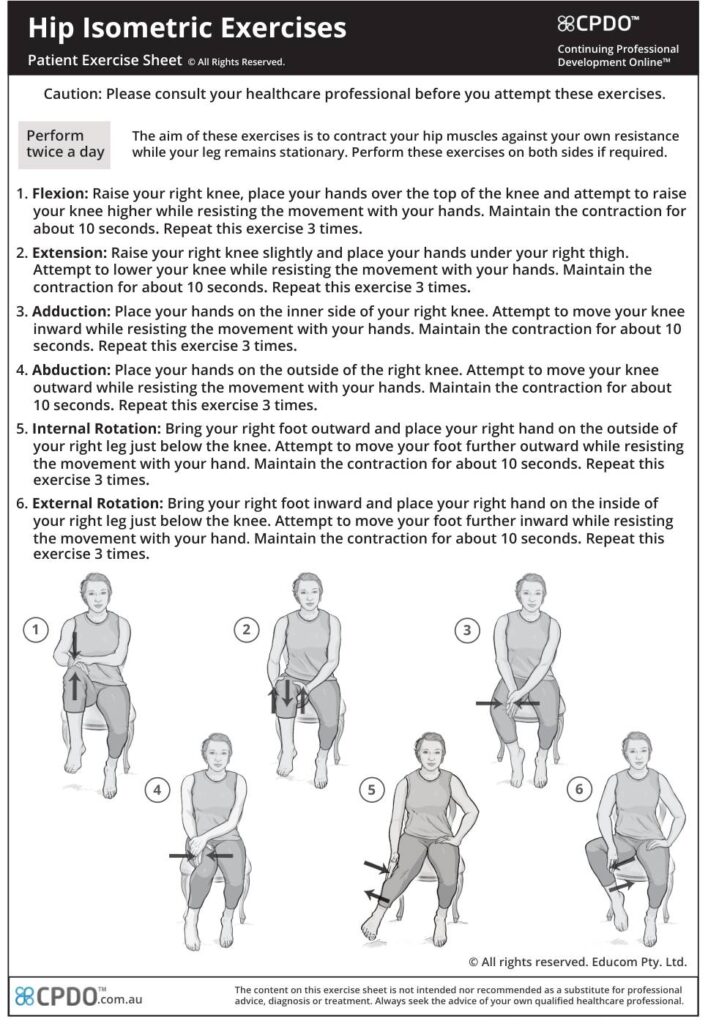
- Hip isometric exercises to maintain hip muscle activation with minimal joint stress
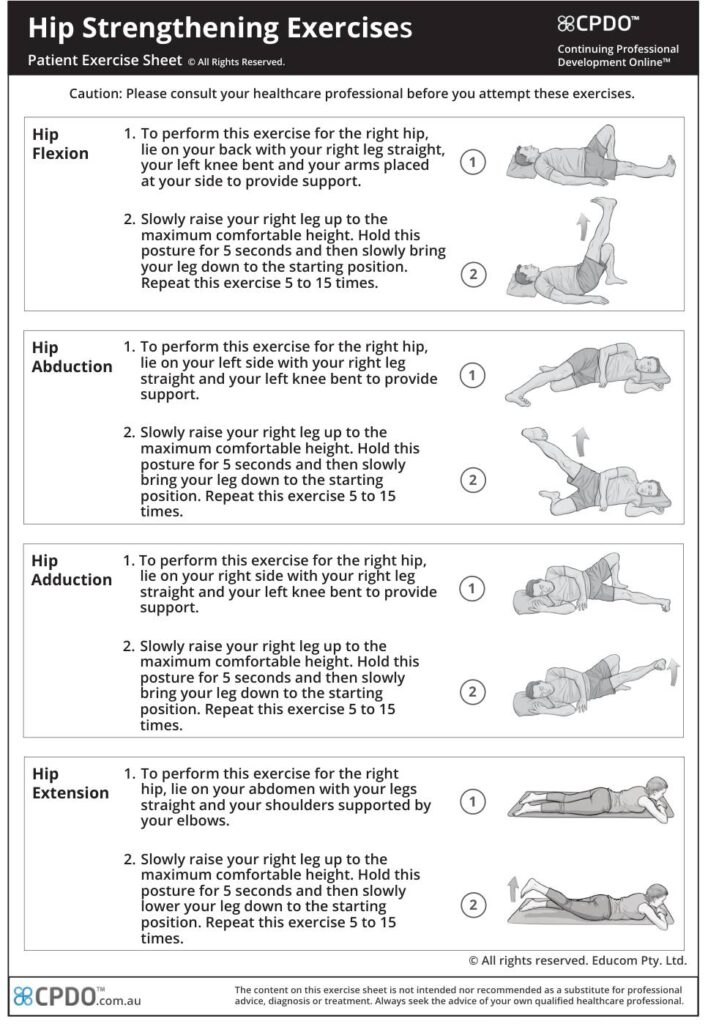
- Progressive hip strengthening — abduction, adduction, flexion, and extension
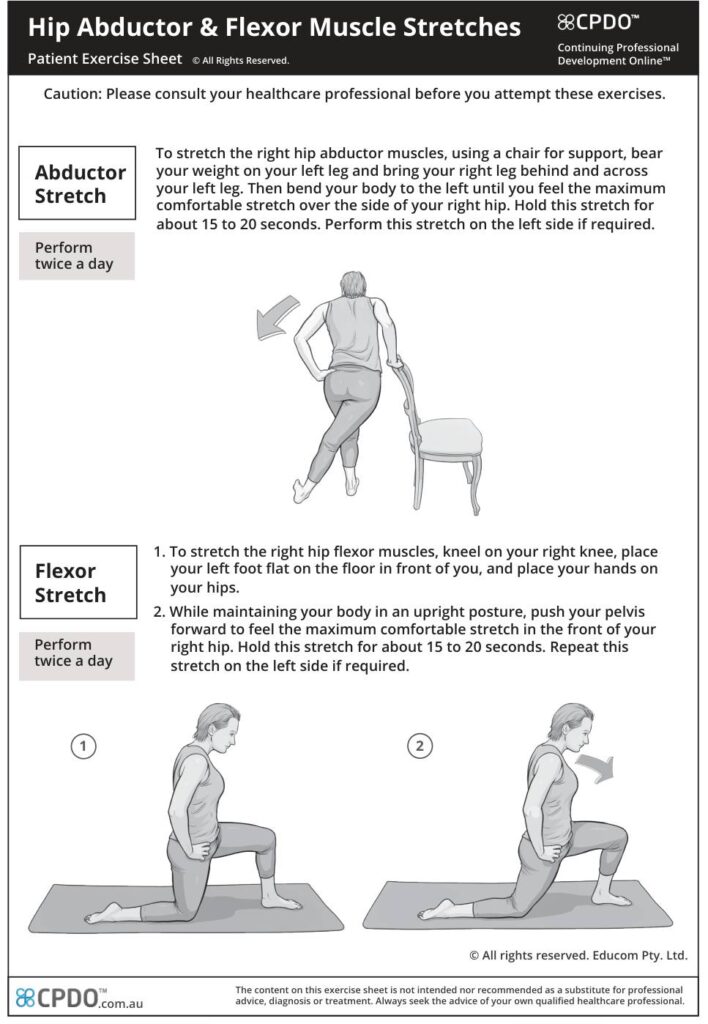
- Hip flexor and gluteal stretching to restore range of motion and reduce labral stress
- Core stabilisation and lumbopelvic control exercises
- Proprioceptive and neuromuscular retraining
Specialist & Regenerative Medicine Options
For labral tears that are slow to respond to physiotherapy, our Prestidge sports physicians offer
specialist treatments that may support labral healing and provide a pathway between
conservative care and surgical intervention.
- Platelet Rich Plasma (PRP) Therapy — Image-guided PRP injection into the hip joint or labral injury site to deliver growth factors that may support tissue repair.
- Corticosteroid Injections — To manage acute pain and facilitate effective rehabilitation.
- Hyaluronic Acid — To restore joint lubrication and offload the labrum during healing.
- Stem Cell Therapy — Considered for significant labral or capsular degeneration within TGA guidelines.
Our sports and exercise physicians at Prestidge work alongside your treating clinician to
determine the most appropriate option for your condition, goals, and stage of recovery. All
injectable and prescription treatments are subject to individual clinical assessment. Visit healthweave.com.au or prestidge.com to learn more.
Important: All specialist consultations, prescription treatments, and injectable procedures are subject to individual clinical assessment by a registered medical practitioner. Suitability, benefits, and risks will be discussed at your consultation. No outcomes are guaranteed. Prescription medicines are only available following appropriate medical review in accordance with TGA and AHPRA requirements. Exercise programs should be performed only as directed by your Healthweave clinician. Exercise images © CPDO / Educom Pty. Ltd. — used under licence.
Prevention Tips
- Build and maintain hip strength and stability
- Learn correct movement patterns for sport and daily activities
- Address hip pain early to prevent labral stress progression