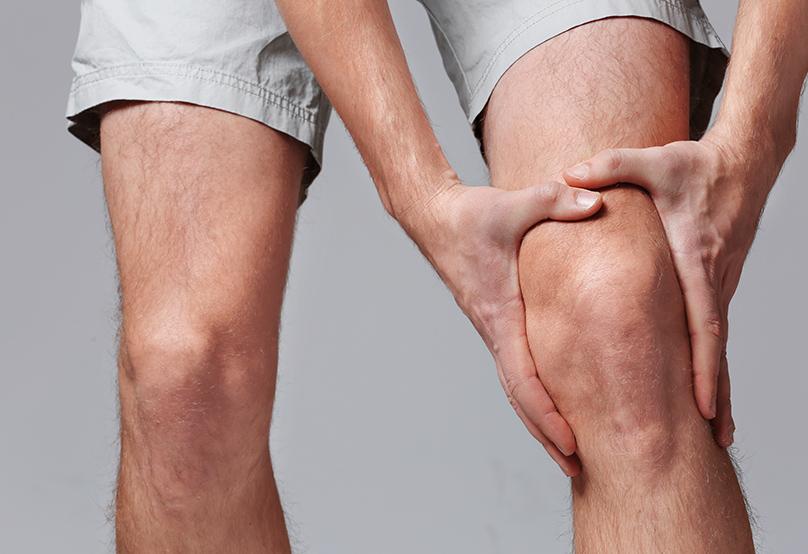
Knee Meniscus Tears
A meniscus tear damages the knee’s cartilage, causing pain, swelling, stiffness, instability, and locking. Early physiotherapy aids recovery, while regenerative treatments may support healing and improve joint function.
Understanding the Meniscus
The meniscus is a C-shaped cartilage disc that cushions the knee and provides joint stability. Each knee has two — medial and lateral. Tears can be acute (from trauma) or degenerative (from gradual wear). Symptoms include pain when walking or squatting,
difficulty bearing weight, and sensations of locking or giving way.
Causes
- High-impact activities involving rapid twisting or bending.
- Gradual degeneration or thinning of the meniscus cartilage.
Symptoms
- Popping sound during knee injury.
- Swelling within 24–72 hours.
- Stiffness or limited knee movement.
- Instability or “giving way” of the knee.
- Locking or catching sensation.
Treatment
Most patients recover well with physiotherapy — early treatment reduces pain and inflammation, then exercise progressively restores strength, endurance, and knee stability. Surgery is reserved for larger or complex tears.
Specialist & Regenerative Medicine Options
Because meniscal tissue — particularly in the inner, avascular zone — has limited capacity
for self-repair, our Prestidge sports physicians can offer specialist treatments to support
meniscal healing and joint health, potentially reducing the need for surgical intervention.
- Platelet Rich Plasma (PRP) Therapy — PRP injected into the knee joint, or directly into the meniscal tear under ultrasound guidance, provides concentrated growth factors that promote meniscal tissue repair, reduce inflammation, and improve the joint environment. This is especially beneficial for tears in the vascular (outer) zone of the meniscus.
- Stem Cell Therapy — Mesenchymal stem cells can be introduced into the knee joint to support meniscal regeneration and cartilage protection, particularly in degenerative tears associated with early osteoarthritis.
- Hyaluronic Acid (Viscosupplementation) — Restoring joint lubrication with hyaluronic acid reduces mechanical stress on the torn meniscus, decreases pain, and creates a more favourable healing environment.
- Corticosteroid Injections — Used to manage acute inflammatory flares that interfere with rehabilitation, allowing faster progression of strengthening and loading exercises.
- Post-Surgical Regenerative Rehabilitation — Following meniscectomy or meniscal repair, PRP can be used as an adjunct to accelerate tissue healing, reduce joint inflammation, and support a faster return to activity.
Our sports and exercise physicians at Prestidge work alongside your treating clinician to determine which option best suits your condition, goals, and stage of injury. Image-guided procedures are performed with precision and care. Visit prestidge.com.au to learn more about our full range of specialist services.
Important: All specialist consultations, prescription treatments, and injectable procedures are subject to individual clinical assessment by a registered medical practitioner. Suitability, potential benefits, and risks will be discussed during your consultation. No treatment outcomes are guaranteed. Prescription medicines — including testosterone and peptide therapies — are only available following appropriate medical review and a valid prescription in accordance with TGA and AHPRA requirements.
Prevention Tips
Maintain strong, flexible leg muscles through regular conditioning, balance training, and controlled movement exercises. Avoid sudden twisting or pivoting with a planted foot.