
Tarsal Tunnel Syndrome
Understanding Tarsal Tunnel Syndrome
Causes
- Muscle imbalances — particularly weak quadriceps and gluteals
- Poor foot and lower limb alignment
- Repetitive loading — running, cycling, stair climbing
- Previous knee injury or surgery
- Tight lateral structures — IT band, lateral retinaculum
Symptoms
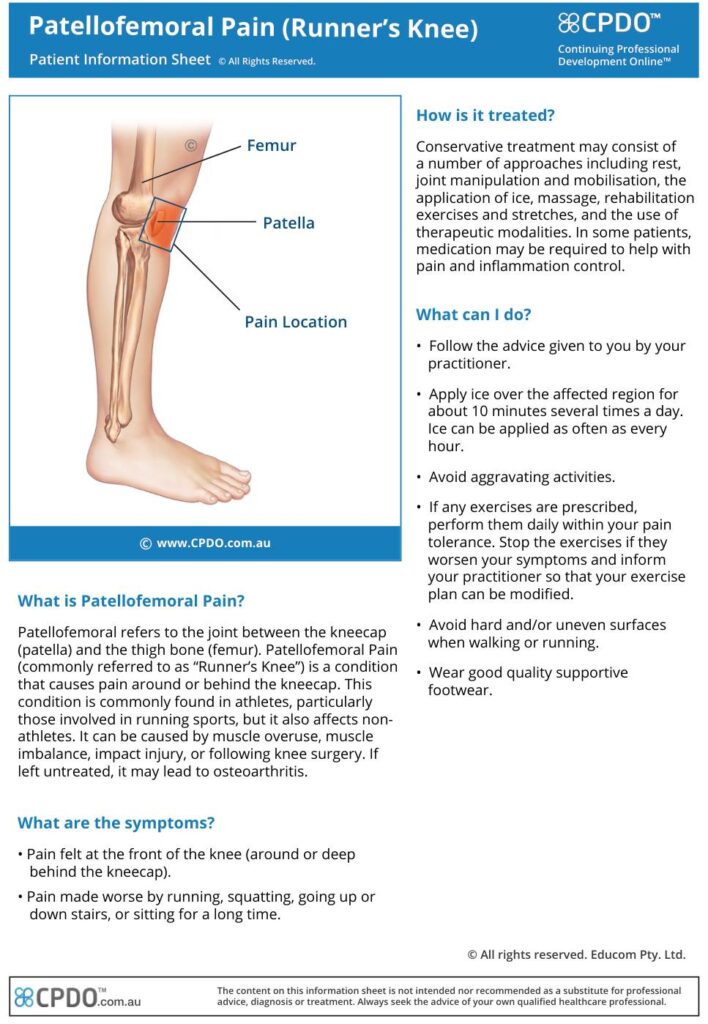
- Pain around or behind the kneecap
- Pain worse with stairs, squatting, running, or prolonged sitting
- Grinding or clicking sensation in the knee
- Pain after sitting with the knee bent for extended periods
Treatment
- Quadriceps and gluteal strengthening
- Patellar taping or bracing to improve patellar tracking
- Footwear assessment and orthotic support
- Activity modification and load management
- Manual therapy and joint mobilisation
Rehabilitation & Exercise
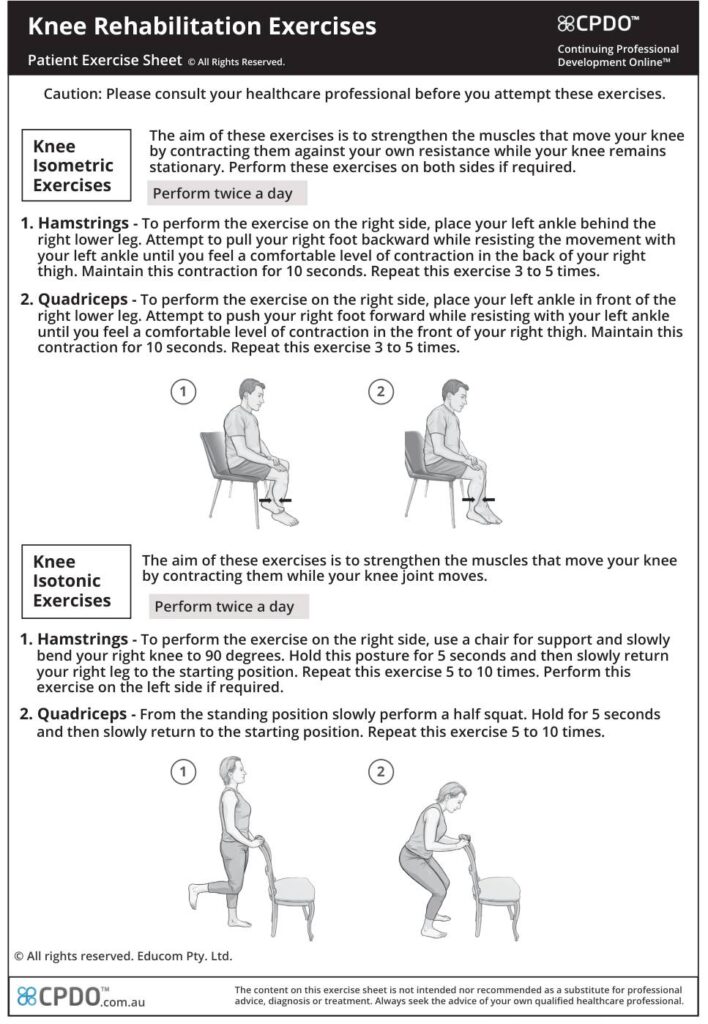
Caution: Perform all exercises only as directed by your Healthweave clinician. Stop any exercise that increases your pain and inform your practitioner. Exercise programs are tailored to individual needs and must not be self-prescribed.
- Quadriceps strengthening — particularly VMO activation exercises
- Gluteal and hip abductor strengthening to improve lower limb alignment
- Hip flexor and IT band stretching
- Balance and proprioception exercises
- Step-up and squat progressions as tolerated
Specialist & Regenerative Medicine Options
Where PFS is associated with cartilage changes or early patellofemoral joint degeneration, our Prestidge sports physicians can offer additional treatment options.
- Platelet Rich Plasma (PRP) Therapy — for PFS associated with cartilage softening (chondromalacia), PRP injection may reduce inflammation and support cartilage health
- Hyaluronic Acid — improving patellofemoral joint lubrication to reduce friction and pain
- Corticosteroid Injections — for significant synovitis limiting rehabilitation
- Stem Cell Therapy — for documented cartilage damage, considered within TGA guidelines
Our sports and exercise physicians at Prestidge work alongside your treating clinician to determine the most appropriate option for your condition, goals, and stage of recovery. All injectable and prescription treatments are subject to individual clinical assessment. Visit healthweave.com.au or prestidge.com to learn more.
Important: All specialist consultations, prescription treatments, and injectable procedures are subject to individual clinical assessment by a registered medical practitioner. Suitability, benefits, and risks will be discussed at your consultation. No outcomes are guaranteed. Prescription medicines are only available following appropriate medical review in accordance with TGA and AHPRA requirements. Exercise programs should be performed only as directed by your Healthweave clinician. Exercise images © CPDO / Educom Pty. Ltd. — used under licence.